Lasaña de Carne

Ingredients
- Olive oil
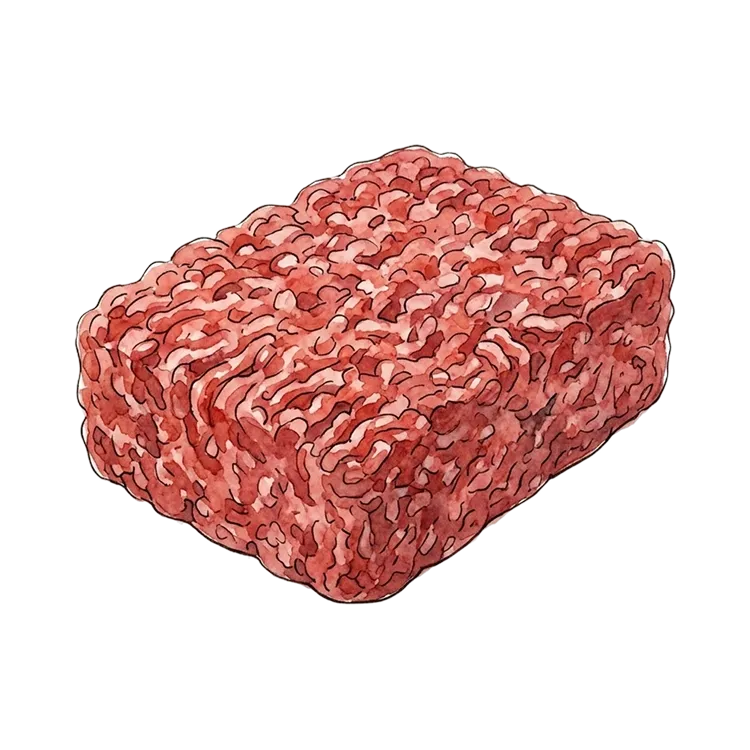
- 200 g ground pork
- 200 g ground beef
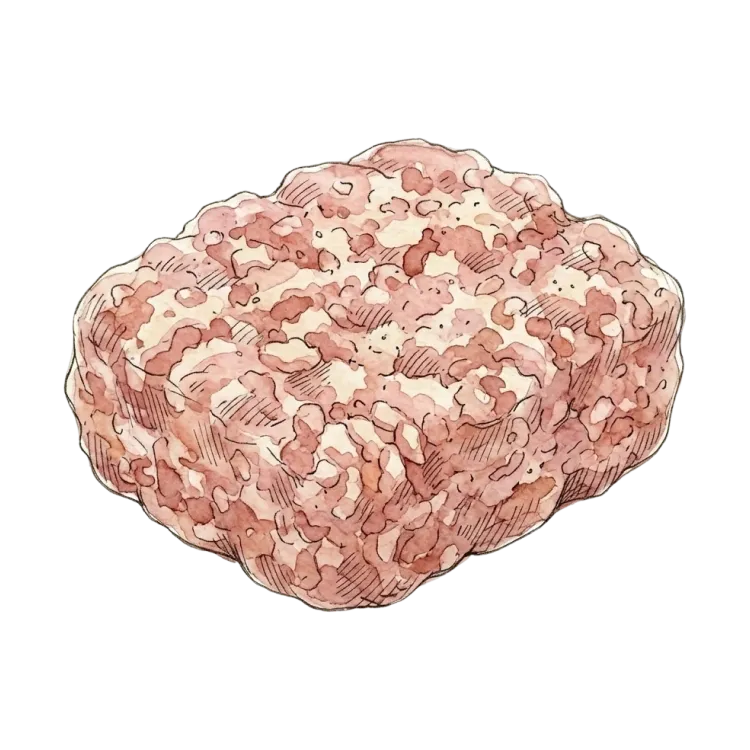
- 200 g ground chorizo
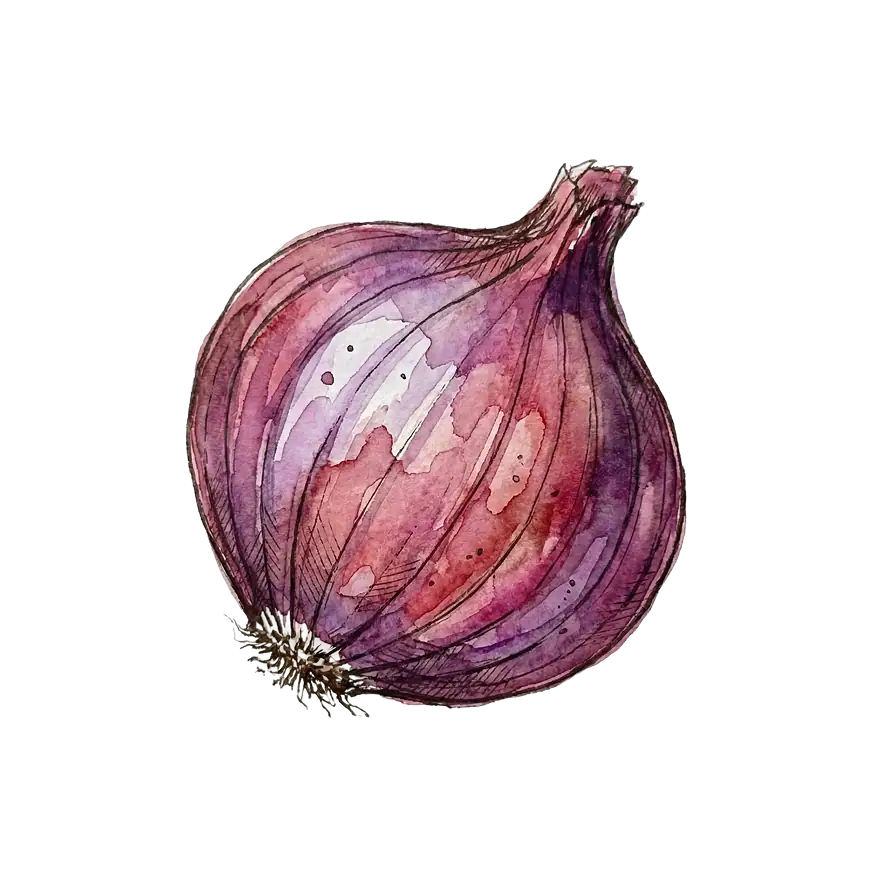
- 600 g red onion
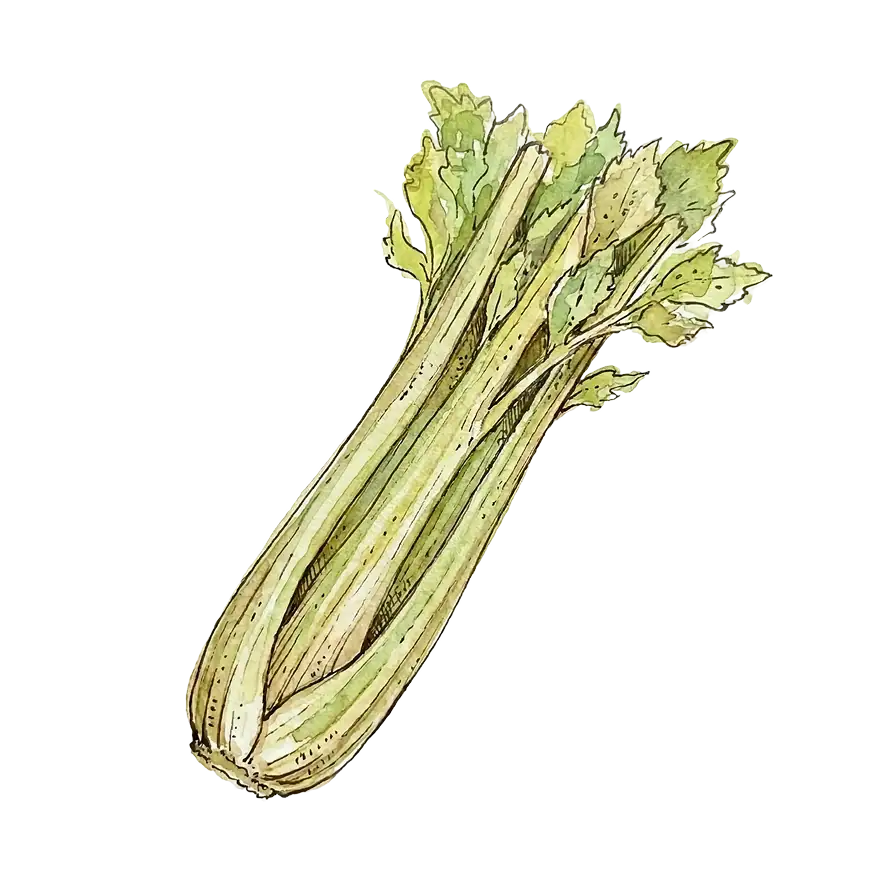
- 600 g celery
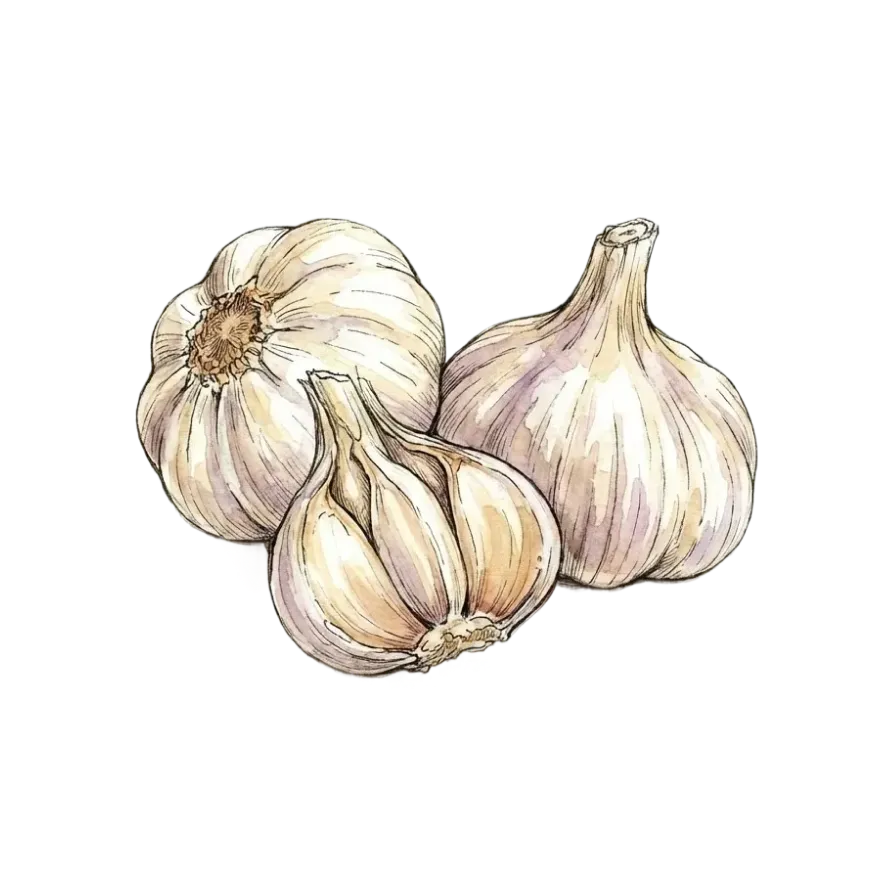
- 30 g garlic
- 600 g carrot
- 1 bouquet garni of basil stems, thyme, oregano, and bay leaf
- 435 g red wine
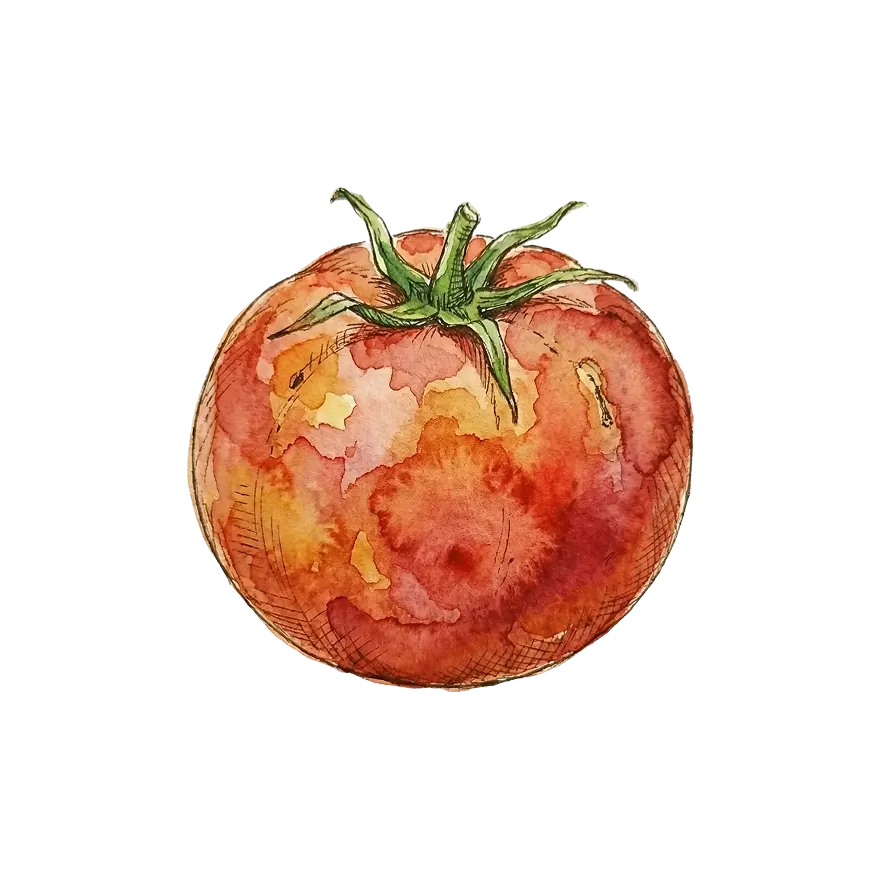
- 1.3 kg Italian tomatoes
- Salt and pepper
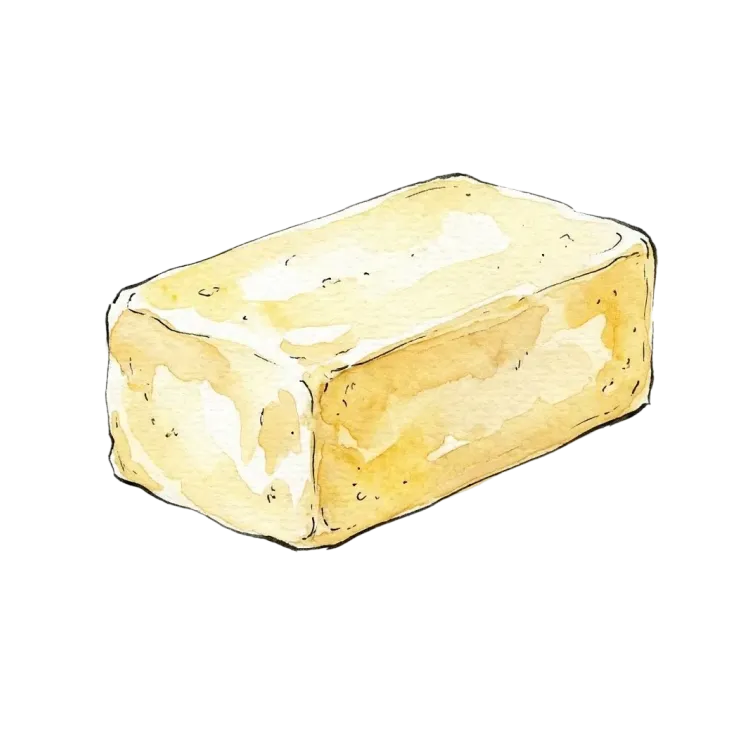
- 140 g butter
- 140 g flour
- 2 liters fresh milk
- Nutmeg
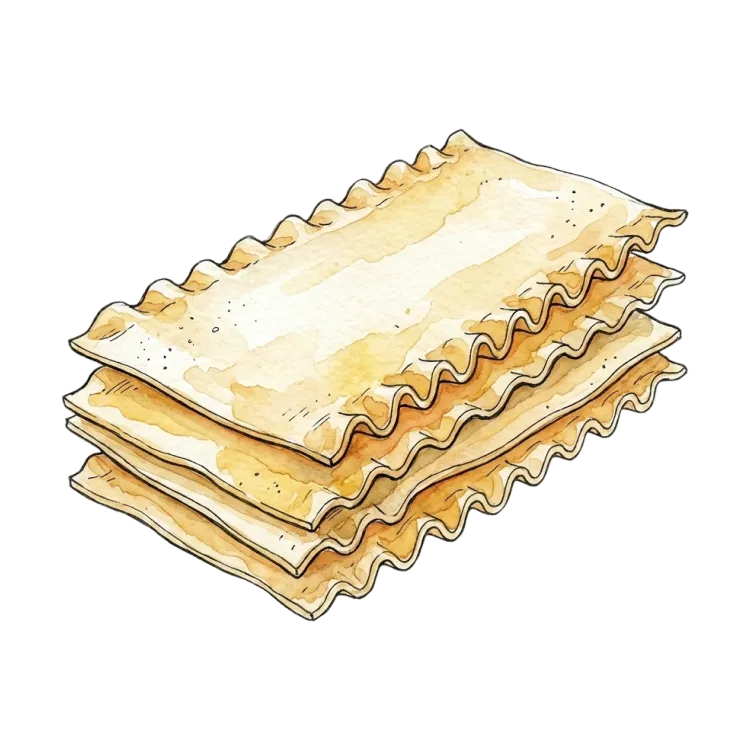
- Dry lasagna pasta sheets
- Parmesan cheese
- Sliced mozzarella cheese
- Chopped parsley
Preparation
Bechamel sauce
Melt 140 g of butter in a pot; use butter, never margarine, because it behaves very differently under heat. Add 140 g of flour —equal parts butter and flour— and mix with a balloon whisk until you have a pale roux with the texture of wet sea sand. Cook the flour slowly so none of it stays raw; we are not looking for color, since this is a milk-based sauce. Season with a little salt and freshly grated nutmeg, which works wonderfully in any preparation made with milk.
Once the roux is ready, gradually pour in the 2 liters of fresh milk, stirring slowly. A key concept: if the roux is hot, the milk goes in cold; if the roux is cold, the milk must go in hot. That thermal shock keeps lumps from forming. Let it come to a boil: as it boils, the flour activates and binds all the milk. Transfer the bechamel to a wide container so it cools quickly and cover it skin-to-skin, with the plastic wrap touching the sauce directly, so no skin forms on top.
Bolognese ragú
For the bolognese ragú, remember that this is not a tomato sauce but a meat sauce scented with tomato. Put a generous amount of good-quality olive oil in a pot and heat it well; you'll know it's ready when the oil loses its viscosity and lines form on its surface, almost at the smoking point. Don't be stingy with the oil: that same fat, perfumed by the meat, will later help you cook the vegetables.
Add the three meats —ground pork, ground beef, and chorizo— without seasoning them with salt or pepper yet, because pepper burns when you sear. Caramelize them thoroughly: listen for the crackle and aim for a good Maillard reaction, both on the meat and on the bottom of the pot. This is the most important step of the whole preparation, because that browning is what will give flavor to the entire sauce. If you prefer, you can work with just one of the three meats.
Once the meats are well caramelized, stir in the red onion cut in brunoise. Its released moisture will deglaze the pot: scrape the bottom to lift up all that stuck-on flavor. Raise the heat and let the onion sweat. When it's almost ready, drop in the bouquet of basil stems, thyme sprigs, oregano, and bay leaf so it perfumes the cooking.
Add the celery, also cut in brunoise, and cook a few minutes so the flavors meld. Once the mixture is a bit drier, add the finely chopped garlic. The idea is to cook vegetable by vegetable, letting each one caramelize and release the moisture you need to keep deglazing the pot.
Finally, add the carrot, which is the real secret of this sauce. Grate it and then chop it with a knife as finely as possible: the carrot adds sweetness and turns into a flavor sponge that absorbs all the meatiness, while also giving body and texture to the final sauce. Cook it until its released moisture evaporates; by removing that flavorless water, you concentrate the flavor of the sauce.
When the vegetables are well sweated, add the first liquid: a good amount of dry red wine, and let it boil. Take that moment to season with salt —which helps draw moisture out of the vegetables— and with pepper, which is now protected by the liquids and won't burn.
Stir in the Italian tomato purée (canned peeled Italian tomatoes, blended while cold). Simmer the sauce over low heat for two to three hours, moistening it with stock or water if it gets too dry. The longer it cooks, the more the meat breaks down and the closer it gets to a sauce; remember the equation of cooking: time plus temperature. Remove the bouquet before using it.
Assembly
To assemble the lasagna, always start with a thin layer of bolognese ragú on the bottom of the baking dish: this keeps the pasta from sticking and makes the lasagna much easier to serve. Lay a layer of dry pasta sheets on top. There is no need to pre-cook them: the moisture from the bechamel and the ragú is more than enough to hydrate them during the hour in the oven. It doesn't matter if some sheets run in different directions; what matters is that the pasta layer is even.
Keep alternating: a layer of bolognese ragú, a light layer of bechamel, and another layer of pasta. Between the layers you can also add a little sliced mozzarella. Repeat until you have at least five layers of pasta, because a good lasagna is about the pasta, not just the sauce. For the final layer, place the pasta, then a bit more ragú, finish with bechamel, and sprinkle parmesan cheese on top to gratinate and add a punch of flavor.
Baking
Bake the lasagna at 180 °C (350 °F) for one hour. When it comes out, the gratinated cheese is crisp and the lasagna holds together neat and firm. Finish with a touch of chopped parsley, which gives it a fresh, delicious aroma. Serve; if you like, you can add a little extra tomato sauce, bechamel, or ragú to each plate.
Remember three things when making a lasagna: the sauce is not a tomato sauce but a meat sauce, where browning the meat is essential; the first layer must always be bolognese ragú; and a good lasagna should have at least five layers of pasta, otherwise you are eating sauce with three thin sheets of pasta.