Pie de Limón

Ingredients
- For a 28 cm pan.
- Sweet pie crust
- 200 grams of butter or margarine
- 1 cup or 150 grams of white sugar
- 3 cups or 400 grams of flour
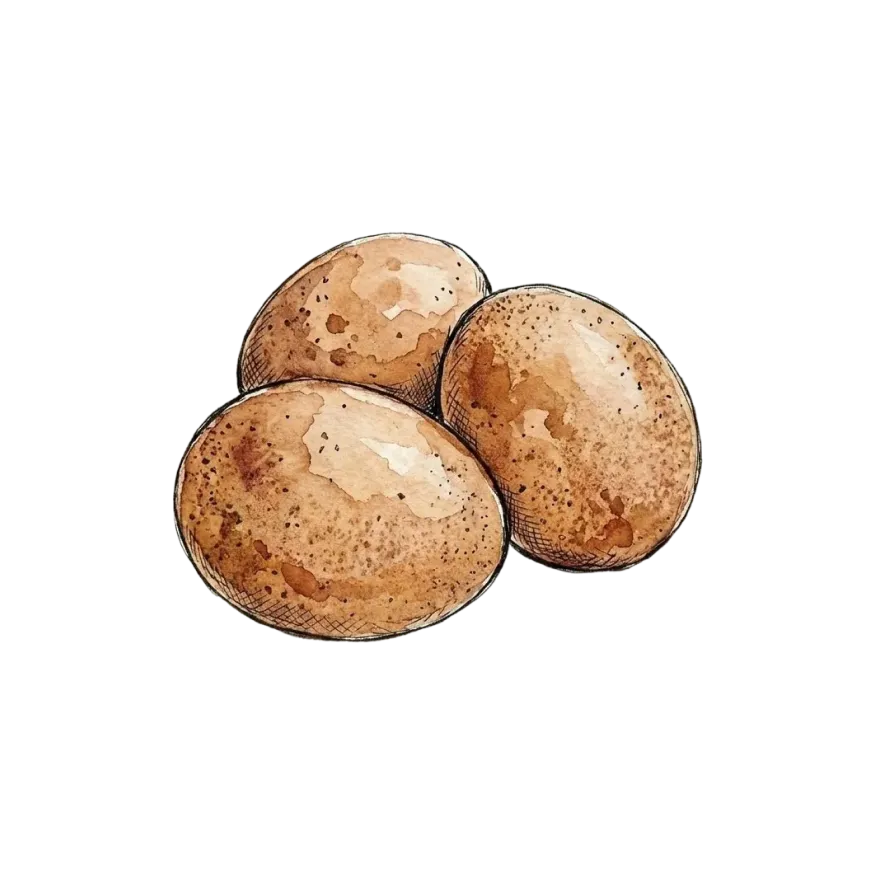
- 1 egg at room temperature
- Filling
- 3 cans of condensed milk
- 1 ½ cups of freshly squeezed lime juice
- 12 free-range egg yolks
- Meringue
- 8 egg whites or 1 cup at room temperature
- 2 ½ cups or 560 grams of white sugar
- ½ teaspoon of cream of tartar
Preparation
Sweet pie crust
Process all the ingredients in a food processor until a smooth dough forms. Wrap in plastic and refrigerate for at least 2 hours (the longer it rests, the better). Roll out on a well-floured surface, without stretching, and arrange in a buttered 28 cm springform pan. Cover with parchment paper and fill with weights (ceramic pie weights or raw chickpeas) all the way up to keep the walls from collapsing. Bake at 180 °C or 350 °F on a baking sheet that was preheated in the oven for about 30 minutes until the edges are golden. Remove the weights and bake a few more minutes until the center is also golden. Let cool completely.
Filling
Combine the condensed milk with the lime juice and egg yolks using a wire whisk. The mixture will naturally curdle from the acidity of the lime. Strain the mixture to remove any bits of yolk membrane. Pour over the cooled, baked crust. Bake at 180 °C or 350 °F for about 30 minutes until the edges are set and the center is still jiggly. Do not let it boil or bubble. Chill in the refrigerator.
Meringue
Place the egg whites and sugar in a metal bowl. Set over a double boiler with the water boiling, stirring constantly with a wire whisk to distribute the heat and dissolve the sugar. Heat until the mixture burns your finger when you touch it. At that point, steam will rise, which is the water being released from the whites (this is the trick to keep the meringue from weeping). Remove from the double boiler and immediately whip in a stand mixer until firm, glossy peaks form. Add the cream of tartar at the end to stabilize the whites.
Assembly and final bake
On the well-chilled lemon pie, first press meringue against the edge of the crust with a spatula to seal. Fill a disposable piping bag with a plain tip and pipe the rest of the meringue into peaks or snowy clouds. Bake at 200 °C or 400 °F for about 15 minutes until golden. Do not use the broiler — the peaks will burn. Serve cold.