Pie de Manzana

Ingredients
- Brisé dough
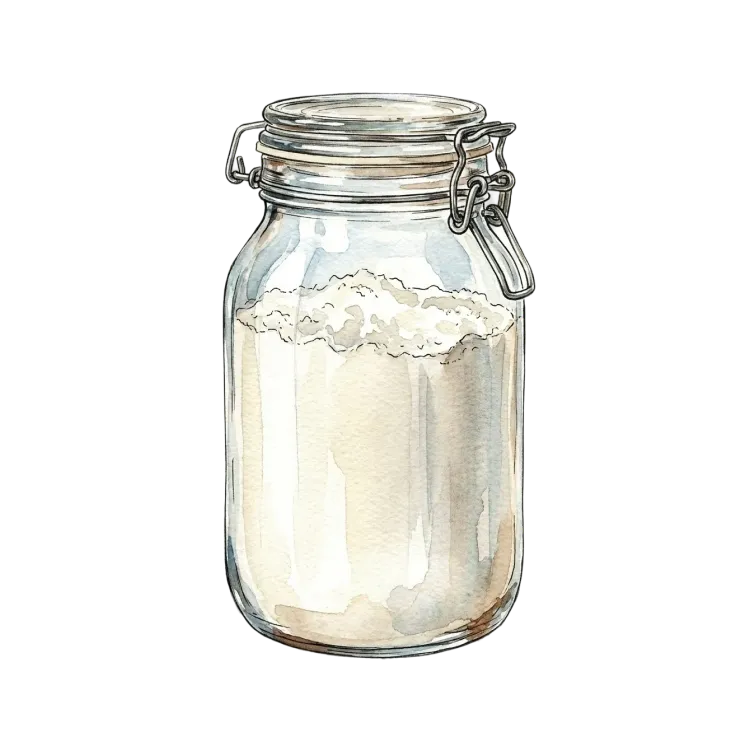
- 375 g all-purpose flour
- 270 g butter
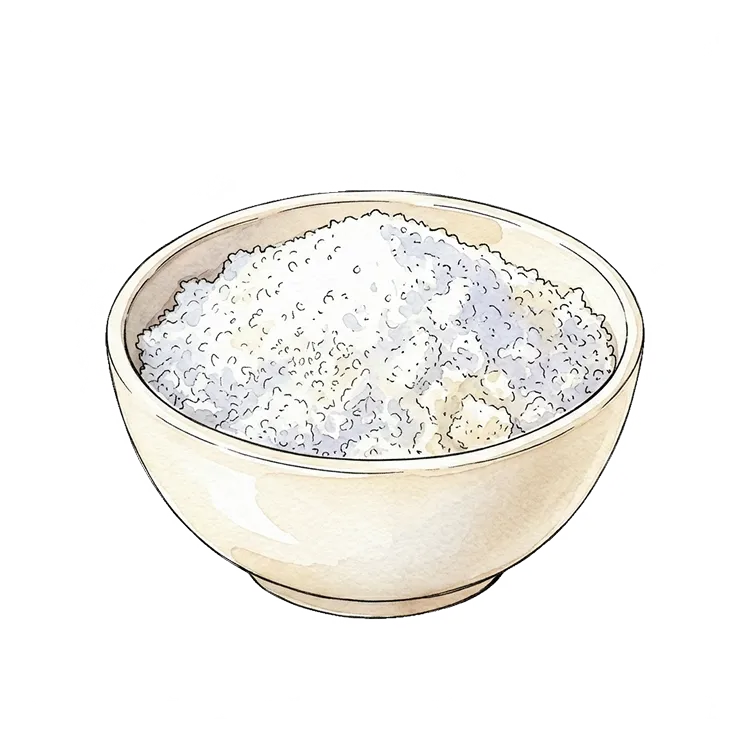
- 3.75 g salt
- 15 g sugar
- 75 g milk
- 15 g egg yolk
- Compote / filling
- 12 Red Delicious apples (approx. 1.800 kg)
- 100 g butter
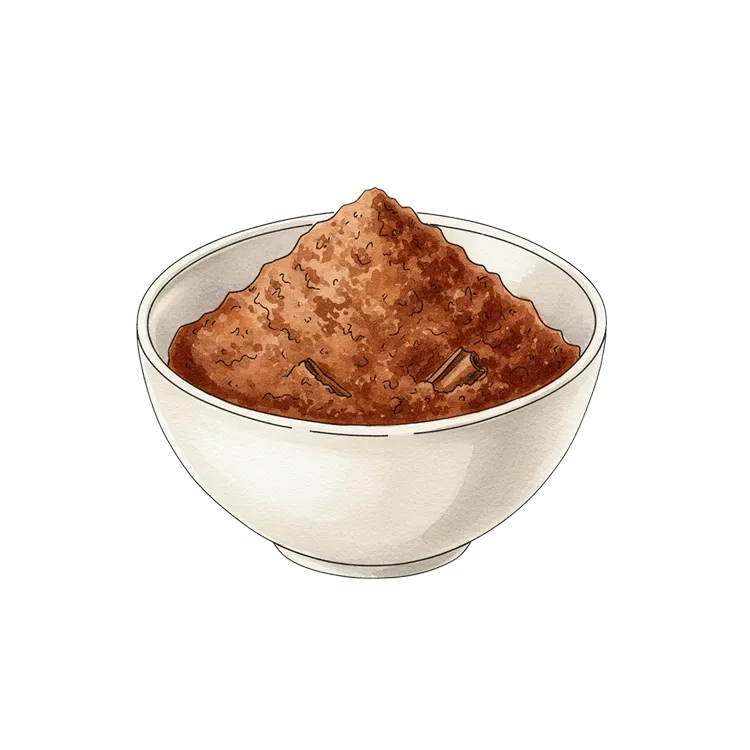
- 170 g light brown sugar
- 1 pinch of salt
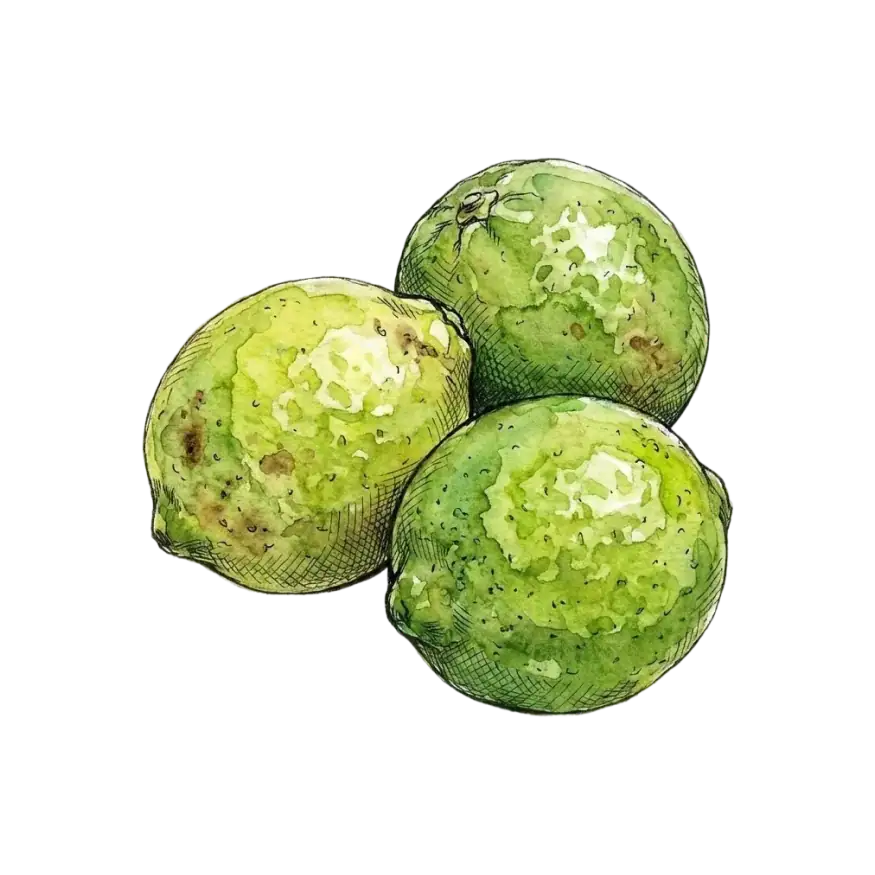
- 10 g lime juice
- 1 pinch of ground cinnamon
- 25 g pisco
- Egg wash
- 1 egg yolk
- 5 g whole milk
Preparation
Brisé dough
This is a short crust — it isn't kneaded, it's compacted. Kneading activates the gluten and turns the base into a tough slab — the kind of pie where your spoon clatters against the plate. Today we'll take the technological shortcut and work it in a food processor, the same way we do empanada dough. If you do it by hand, use a bench scraper (the flat spatula that lets you manipulate the dough without warming it with your hands and without kneading).
The key detail: everything stays very cold. Butter cubed and properly cold — so cold you can barely compress it between your fingers. Cold milk. Cold egg yolk, too. And please, butter — never margarine. Margarine is a hydrogenated fat, structurally close to plastic, and you feel it on the palate. Butter melts on your hands and it melts in your mouth too.
Into the processor go the flour, the cubed cold butter, the salt, and the sugar. Pulse to integrate, then add the cold milk and the cold yolk. Pulse just until it compacts — you're not kneading, the blades only compact. You know the texture is right when you press the dough and the dent stays; if it springs back like bread dough, you've gone too far.
Move the dough onto a tray lined with plastic film, flatten it out — not a round ball, because the flatter and more compact it is, the faster the cold penetrates to the center — and refrigerate until properly cold and firm.
Filling / compote
Use an apple that holds up to sautéing and baking without falling apart. Red Delicious works beautifully; any firm, non-mealy apple will do. Peel 12 apples (about 1.800 kg) and hold them in a bowl of water with a few drops of lemon to slow browning while you keep working. Don't add too much — they'll caramelize and change color in the cooking anyway, and a bit of oxidation doesn't change the flavor.
There are several ways to cut an apple, but cut yours into large chunks rather than slices. The final pie has much better texture with real chunks of fruit than with shredded apple ribbons.
In a skillet over medium heat (not too hot — don't burn the butter), melt the 100 g of butter. Add the apple and toss to coat in butter. Add the 170 g of light brown sugar, a pinch of salt, and cinnamon to taste (calibrate based on how potent your cinnamon is — apple and cinnamon are old friends). A few drops of lime juice to cut the sweetness, and finally about an ounce of pisco — Tacneño pisco if you can get it; rum or brandy work too if pisco isn't available.
One more toss, lower the heat, and let the apples soften slightly and the alcohol cook off. Taste, and adjust the salt — desserts with a defined hit of salt aren't cloying and keep you wanting more. Cook for about 5 more minutes and let cool completely. The filling has to be cold when you assemble.
Lining the mold
Work the short crust on a sheet of parchment — it lets you move the dough without touching it too much. Lay the parchment on the counter, dust with a small amount of flour (the bare minimum — adding too much changes the recipe's formula), and set the cold dough on top. Another small dusting on the surface.
Roll always from the center outward: center up, center down, and toward the sides (you can rotate the parchment to change direction). Take it to 2–3 mm thick.
Lay it over the 23 cm springform mold. With a small ball of leftover dough — not your fingers, they're too aggressive for a dough this fragile — press the crust into the corners of the mold, pushing out any air pockets and settling the dough against the base and walls. Trim the excess from the rim with a knife. Return to the fridge until the butter sets back up.
Lattice
With the leftover dough (plus trimmings, re-compacted), roll out another sheet and cut 2 cm wide strips for the lattice top. Lay them on a tray and chill before weaving — they need to be firm to handle.
Assembly
Cold filling, cold mold, please — if anything is warm this turns into flour soup. Fill the chilled shell with the chilled compote. Lay the chilled strips on top in a lattice — one in each direction, alternating. Press the ends firmly against the rim of the mold: with enough pressure the strip cuts itself and seals against the base.
Egg wash
Whisk 1 yolk with 5 g whole milk. This combination — yolk plus milk — gives the crust both color and crispness; pure yolk gives too much color and burns easily, pure milk gives no color. Brush the entire lattice with this mixture.
Bake
Bake 55 minutes at 160 °C in a preheated oven. It's a medium-moderate temperature because the base crust also has to cook through.
Pull from the oven and let it cool fully — it should be cold to the touch before serving. Decorate with a dusting of powdered sugar. Serve on its own or, even better, with a scoop of ice cream.