Quiche Lorraine
Ingredients
- Brisé dough
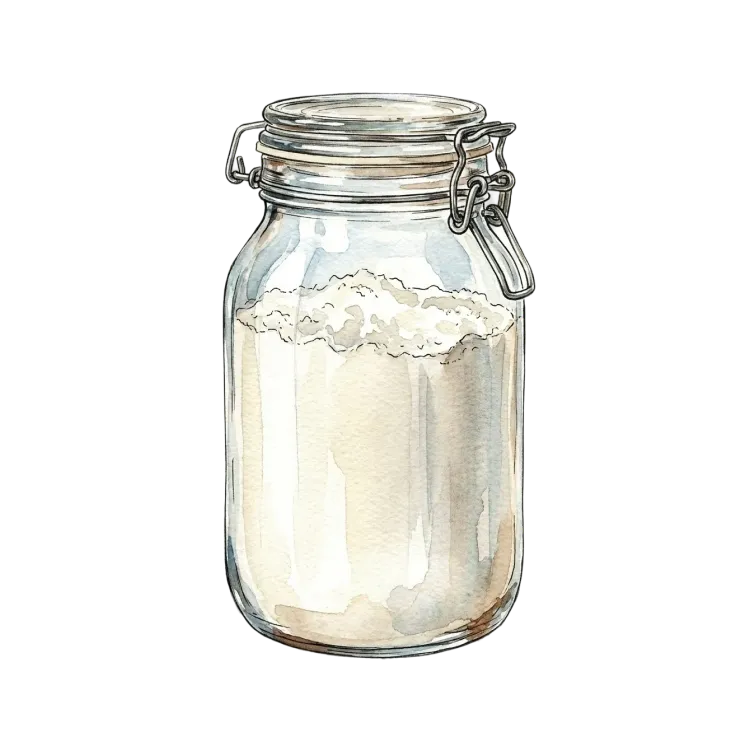
- 250 g all-purpose flour
- 40 g all-purpose flour (for rolling)
- 5 g salt
- 1 egg yolk
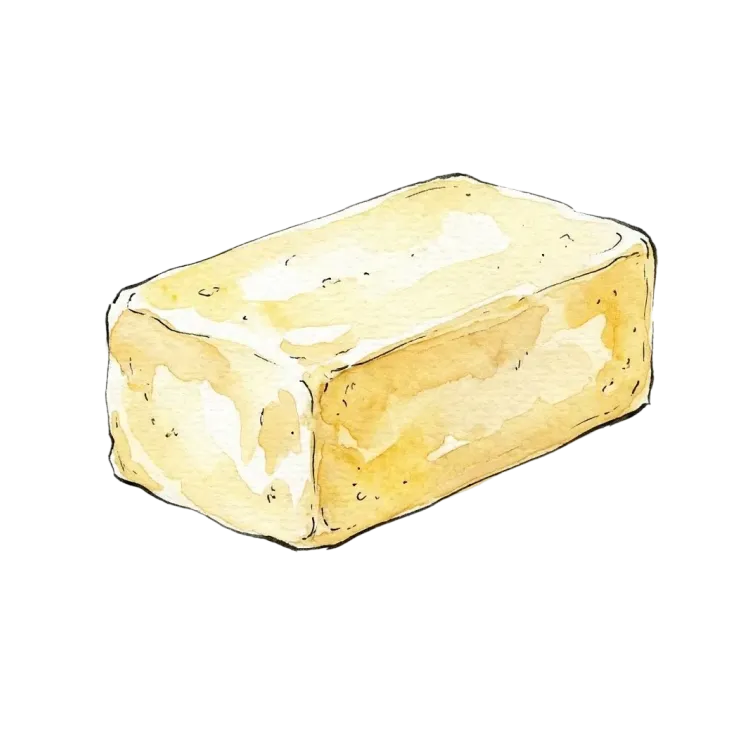
- 125 g butter
- 50 g water
- Royal
- 250 g whole milk
- 250 g heavy cream
- 2 egg yolks
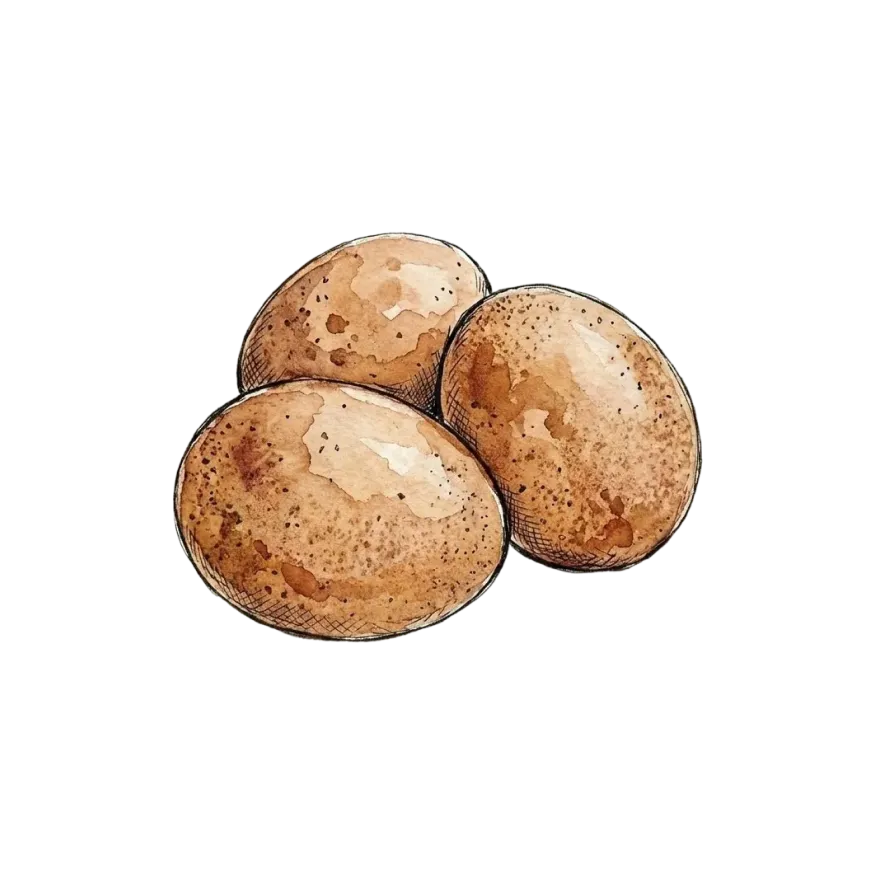
- 2 whole eggs
- Nutmeg to taste
- Salt to taste
- Pepper to taste
- Filling
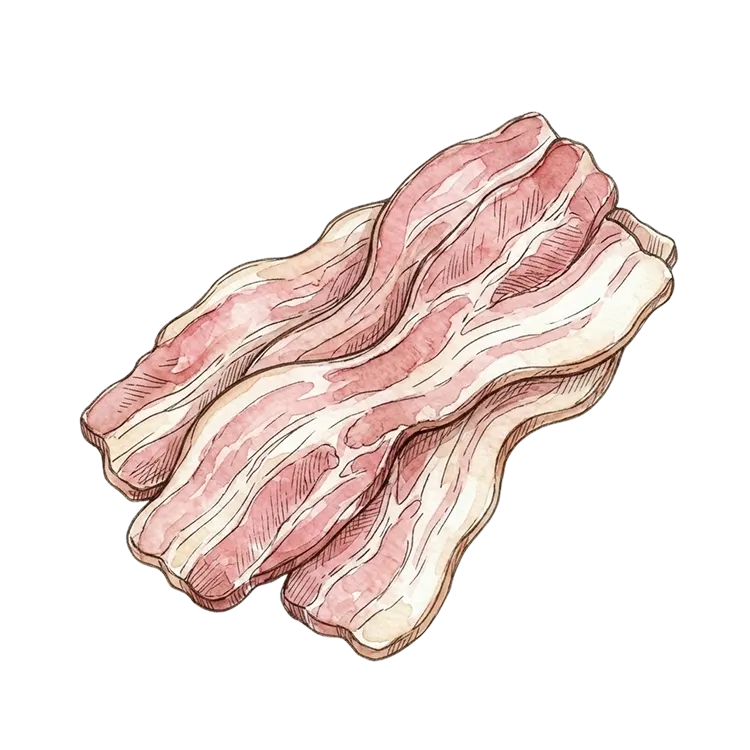
- 100 g bacon
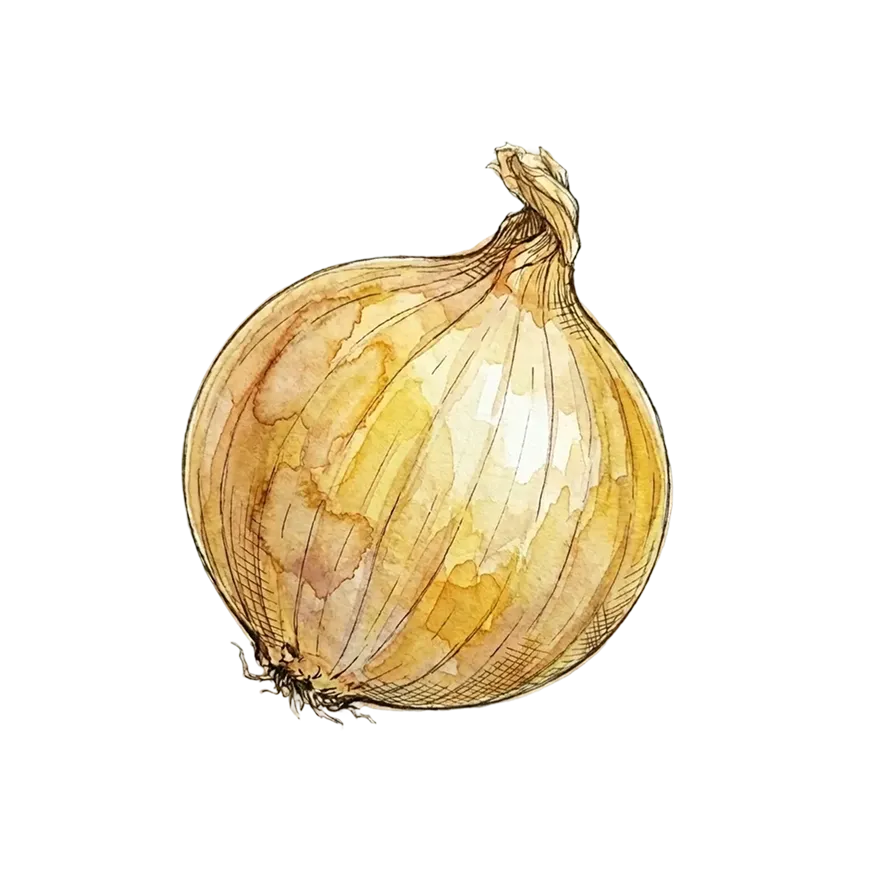
- 60 g white onion
- Thyme to taste
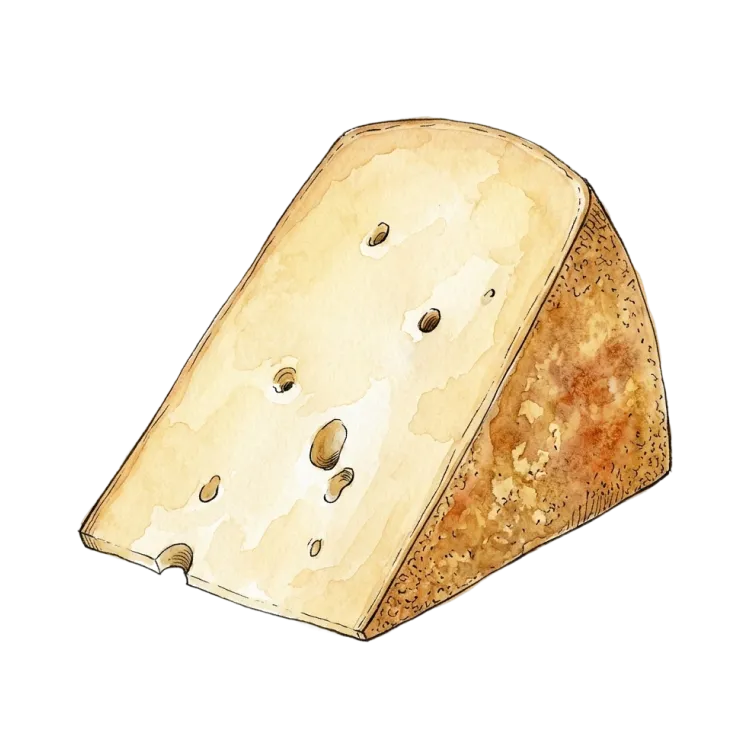
- 100 g gruyère cheese
Preparation
Brisé dough
Place the flour and very cold butter into a food processor. The butter has to be cold enough that you can't compress it between your fingers — that's the key to getting the dough right. Add the cold water, the egg yolk, and the salt as well. Process first until you get a sandy texture — like wet beach sand — and then continue a few seconds more, just until it compacts into a uniform dough. You're not kneading; the blades only compact. The same thing can be done by hand with a bench scraper, handling the dough as little as possible so the butter doesn't warm up.
Flatten the dough into a flat disk — not a round ball, because the flatter it is, the faster the cold penetrates to the center. Wrap in plastic film and refrigerate at least 30 minutes, until it's properly cold again.
Lining the mold
Dust the work surface with the bare minimum of flour (no more than 40 g total, to keep the recipe intact) and roll the dough out 2 to 3 mm thick. Always work from the center outward in alternating directions — center to front, center to back, center to left, center to right — so the thickness stays even.
Roll the dough onto the rolling pin, lay it over a 23 cm tart mold, and let it fall into place. Settle it carefully, and use a small ball of leftover dough to press it into the corners of the mold so it lines the surface without stretching or tearing. Trim the excess and dock the base with a fork to keep it from puffing up during baking.
Blind baking
Line the dough with a parchment cartouche. In this case, don't cut a hole in the center — we're not venting steam, we just need a base for the weights. Fill the cartouche generously with dry beans — they don't add flavor, they don't get damaged, they don't release liquid. The weight keeps the edges from slipping down during the bake.
Bake 15 minutes at 160°C. Carefully remove the hot beans.
Filling
Look for quality bacon: no achiote coloring (which would stain the whole dish) and ideally not heavily smoked. If the smoke is too intense, you can blanch it from cold water so the smoke stays in the water. Cut it into thick lardons — real chunks, alternating fat-meat-fat-meat — so you actually feel them in every bite.
Place the lardons in a cold (or near-cold) pan and turn the heat to medium. Starting from cold lets the fat render slowly so the bacon ends up browning in its own fat, without burning. Remove the lardons and set aside. Pour off some of the rendered fat — you don't need it all — and save it: it's delicious for cooking other things.
In the same pan, with the remaining fat, sweat the finely diced white onion with a pinch of salt. Add fresh thyme leaves — the tiny leaves of the thyme sprig, not the literal flowers — and let them perfume the fat. Return the bacon to the pan, toss to combine everything, and turn off the heat.
Royal
In a bowl, put the eggs and the extra yolks first. Add quality heavy cream and the fresh whole milk. Season with freshly grated nutmeg — always buy nutmeg whole and grate it on the spot; pre-ground loses a lot of flavor. Nutmeg in dairy-based preparations is a winner. Add salt and pepper to taste, adjusting for how salty the bacon is.
Mix without beating in air: you're only trying to dissolve the yolks and combine them with the dairy. Strain the Royal through a fine sieve to catch any bits of egg white or chalaza (the little strands that hold the yolk in the center of the egg).
Assembly and final bake
Distribute the bacon and onion mixture evenly over the blind-baked shell. Scatter the grated gruyère on top — not strictly necessary, but it works beautifully — and arrange it so every slice gets a bit of everything. Pour the Royal over the top.
Bake 30 minutes at 200°C. The Royal will set like a custard and the surface will turn golden.
Let it cool slightly until it's easy to handle, unmold, and serve. Traditionally it goes with a fresh little salad to contrast the richness and delicious fat of the filling.